Water: Stop wasting!
Why and how to avoid wasting water?
Water waste, a national awareness
The issue of waste water is becoming central to environmental protection and is also part of a process of reducing the energy bill of a company.
For a long time set aside (untrue), what is commonly called « Blue gold » comes back suddenly in the debate on energy efficiency, decarbonisation and reducing the environmental footprint of companies. Many future water restrictions in the event of drought accelerate decision-making within companies to save this increasingly scarce resource.
Built as a national priority through the Water Plan presented on 30 March 2023 by Emmanuel Macron, the problem deserves great attention since the losses on the pipes represent 20.2% of the drinking water distributed.

The official figures of this great waste:
In France,
20,2%
of drinking water produced
is wasted via
network leaks

937
million
of water lost each
year due to
network leaks

Or equivalent to
annual consumption of
18 million
population
(The Ile de France and Occitanie regions combined)

The main reason for leaks: weak pipes
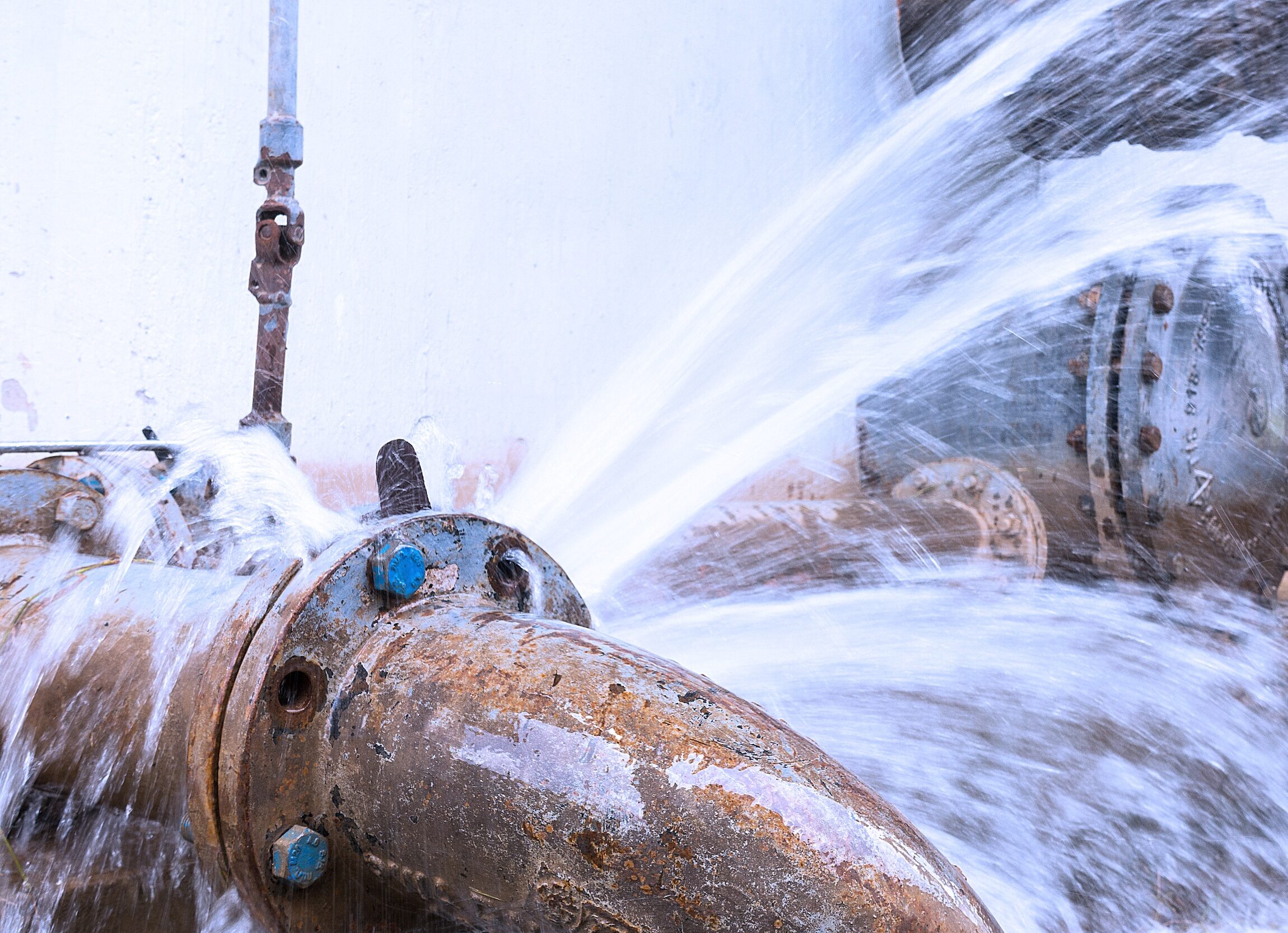
More than half of the pipelines in France are aging/vetustes.
The association UFC Que Choisir recalls that « 55% of water pipes in France have already passed the age at which they should have been replaced ».
The ageing of the pipes is often associated with wear and tear of the seals. Corrosion, naturally caused by water, also damages pipes.
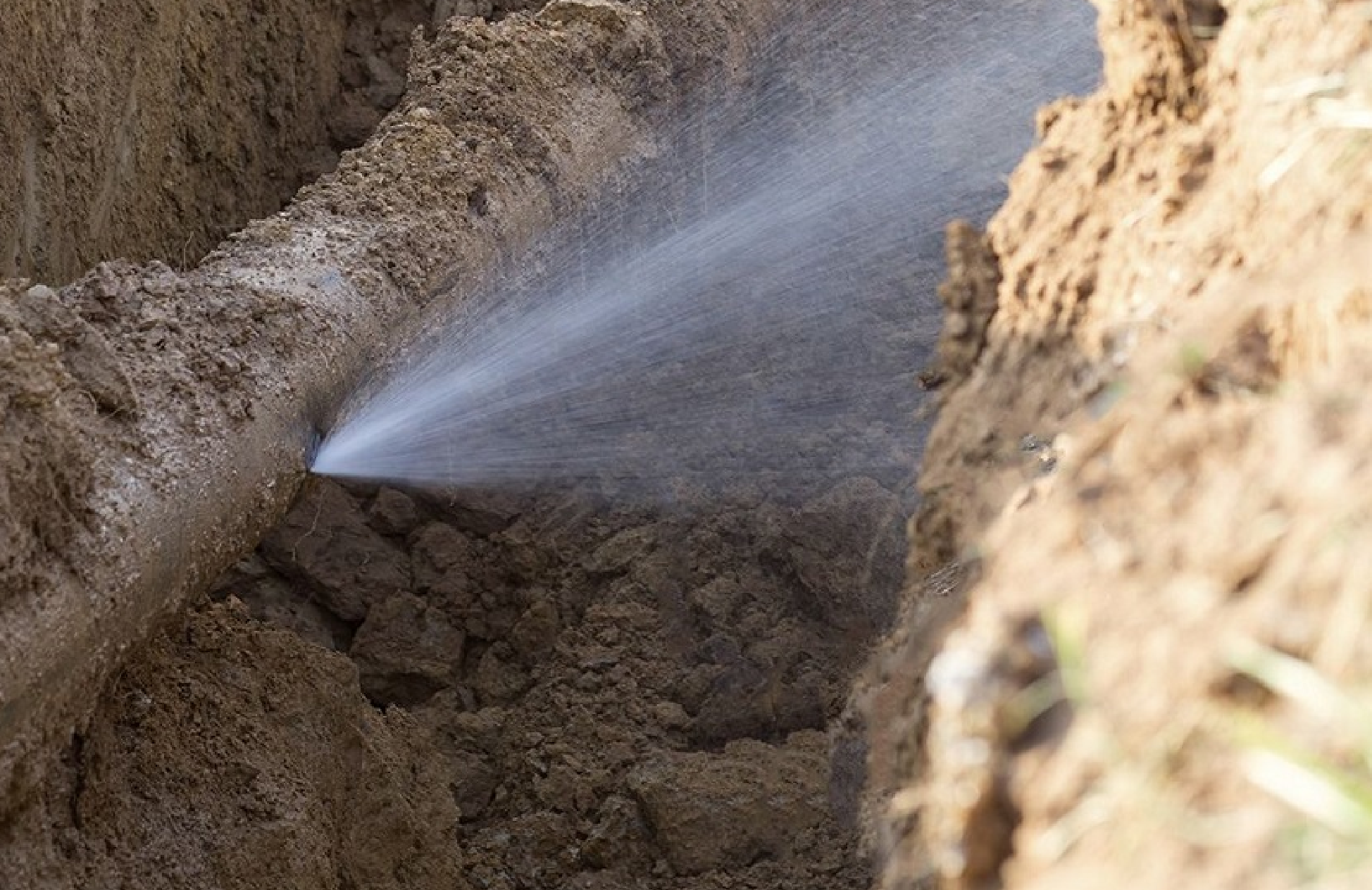
Another factor that may cause leakage is soil movement.
The summer drought of 2022 made the situation worse in places, according to Marillys Macé, Executive Director of the Water Information Centre: « With drought-induced soil movements, it broke even more than usual. »
Finally, high water pressure or incidents of external origin (tree root development) may lead to pipeline penetration.
« There are many causes, but the main one is related to the wear and tear of the pipes or their fragility. », comments Sophie Portela, project manager of water and sanitation services at the French Biodiversity Office.
Philippe Maillard
the president of the Fédération professionnelle des entreprises de l ́eau, interviewed by Les Echos
We are increasingly concerned about the state of the water system, 50% of which date from before 1970.

Marie-Amandine Stevenin
President of UFC-Que Choisir
« Lack of maintenance of the pipes leads to scandalous leaks with losses of up to 1 litre in 3 »
Losses with multiple consequences:
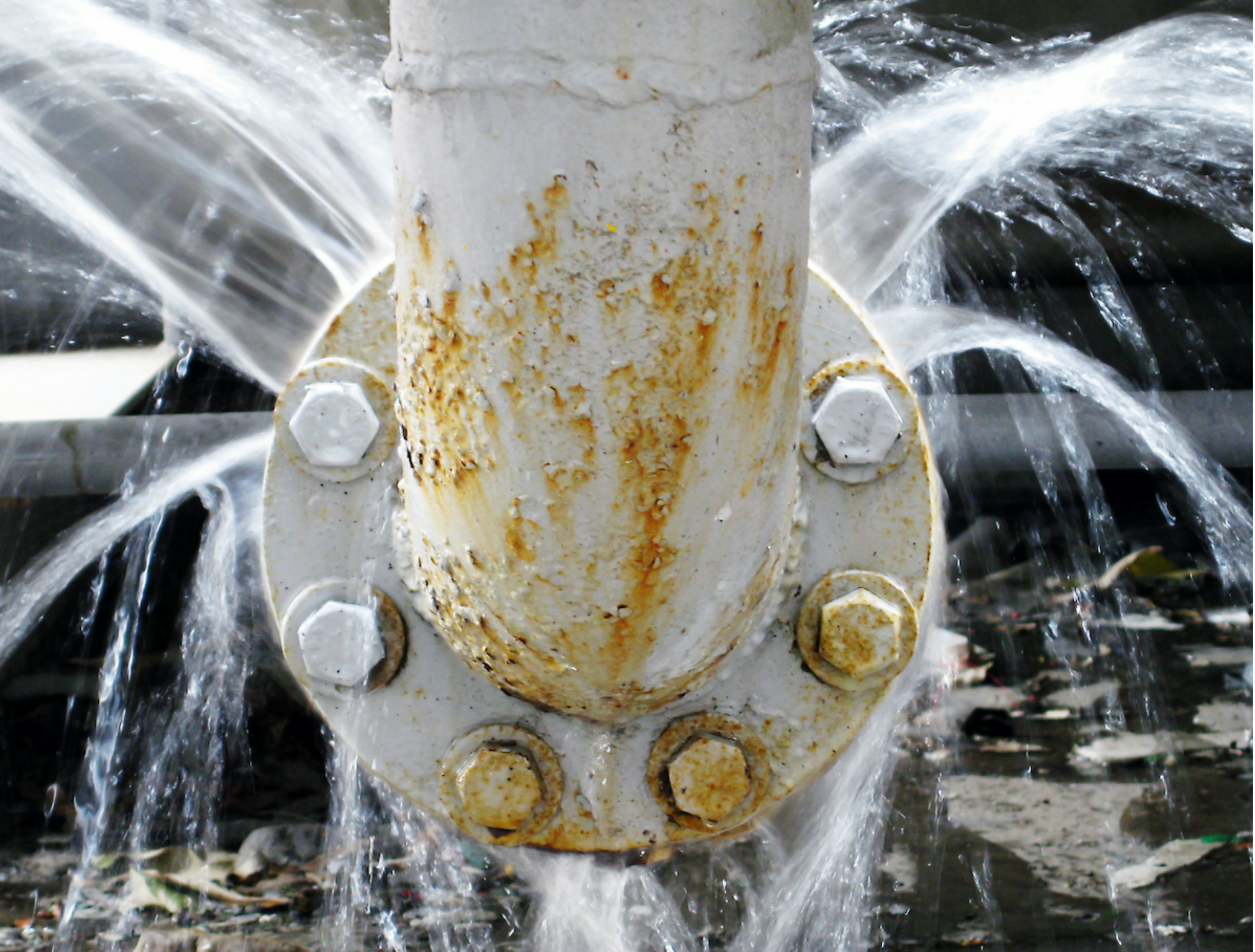
Water leaks on pipelines are a waste
environmental, economic and heritage.
Energy and environmental waste:
The problem from an energy point of view is that this water has been treated, put into the grid and therefore consumed a lot of energy.
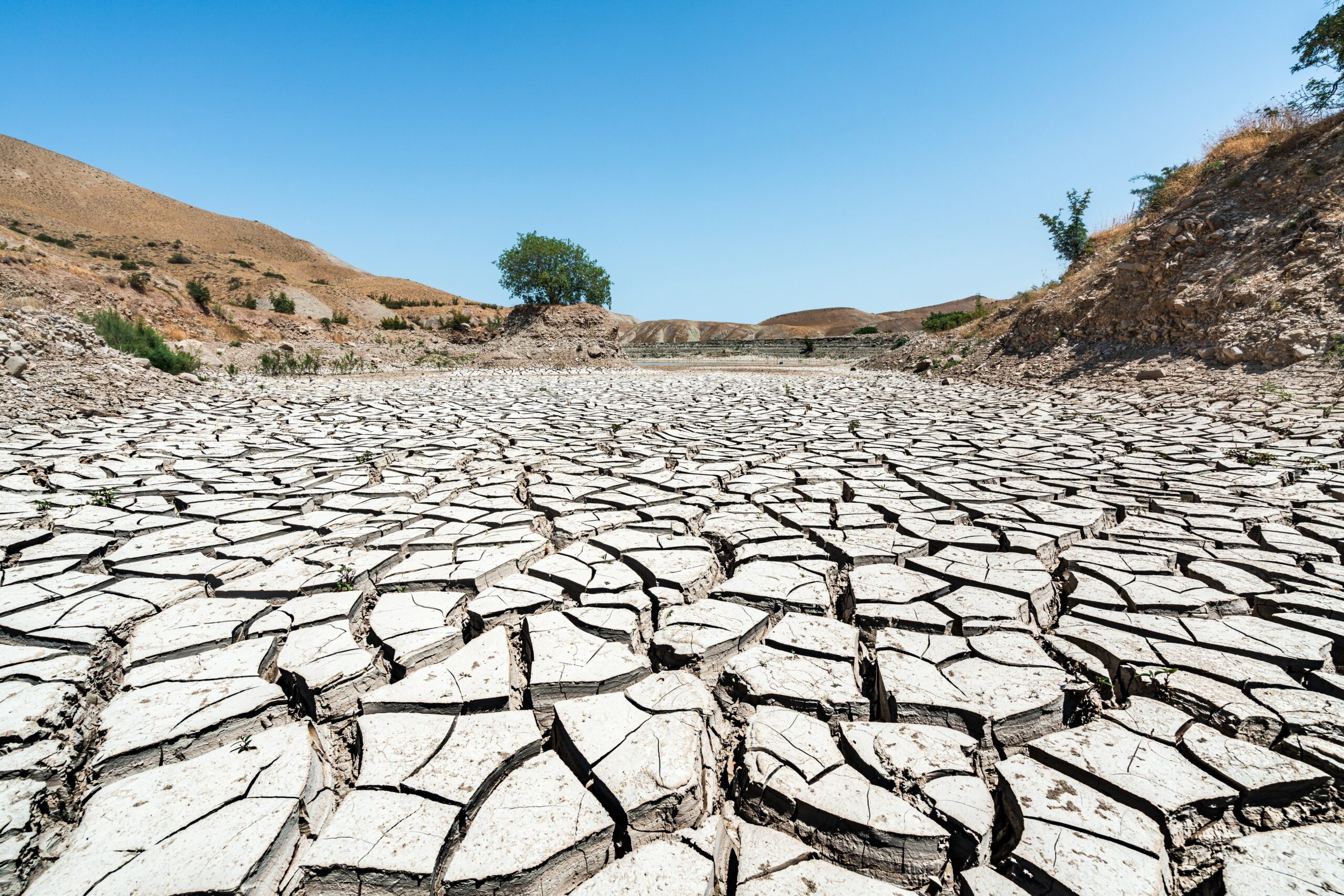
Environmental perspective « When one is in a period of drought and all this water is taken from the resources and especially from the rivers and does not reach the consumers, during that time, it lacks the natural environment, which has heated it, which needs more water, for animals, flora, etc. »says Maryllis Macé (Director General Water Information Centre (IEC)
Economic waste:
Although water is considered inexpensive in comparison with other energy sources such as electricity or gas, the annual accumulation of leaks on public or private sites and buildings (20.2% on average) represents significant economic losses for real estate managers. The feedback from Hydrelis, at the scale of 14,000 equipped sites and buildings, shows an average savings of 28% on the bill and a return on investment of between 6 and 18 months.
Heritage waste:
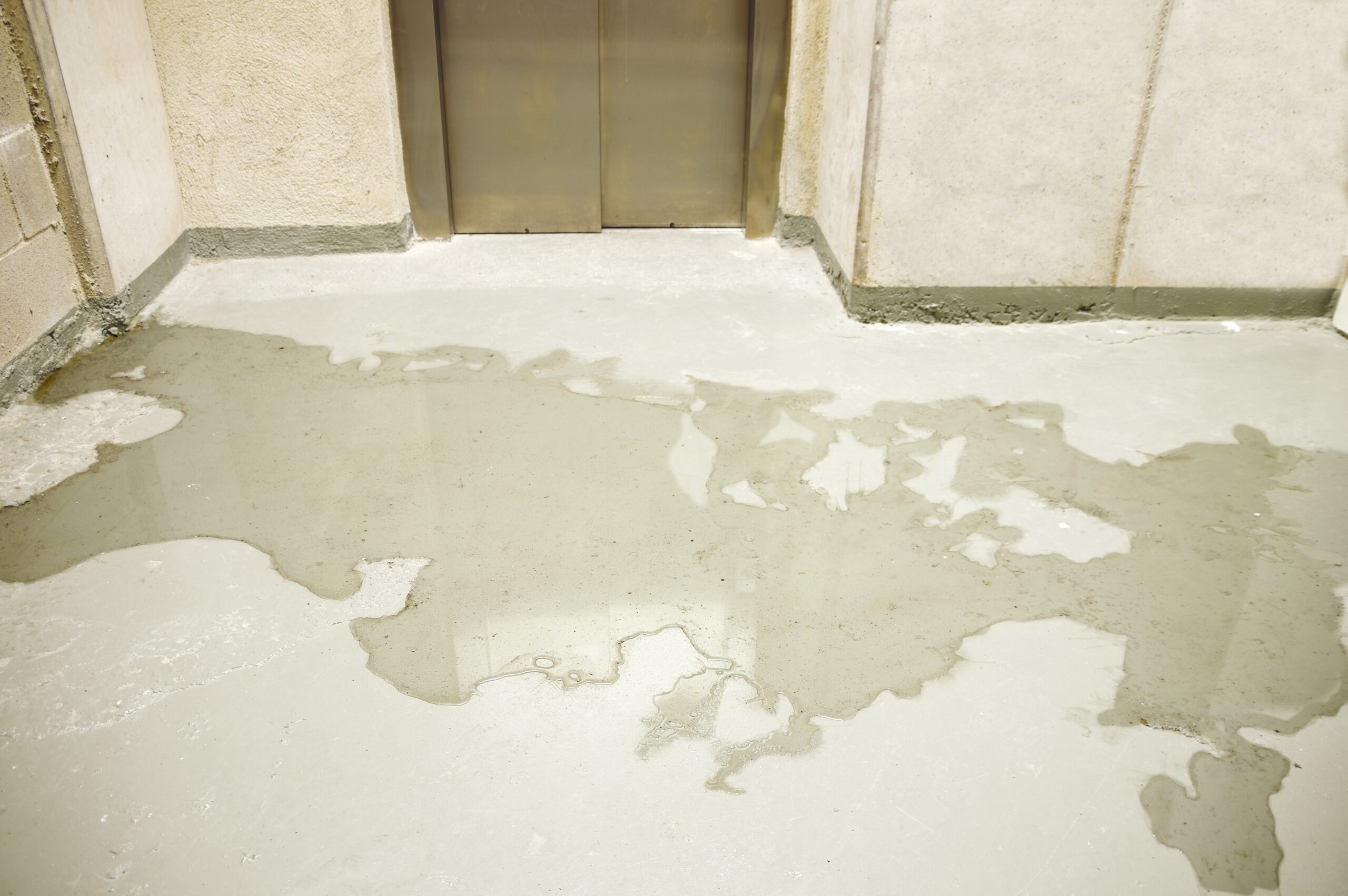
A leak on the line usually causes partial or extensive degradation of the building/site. The size, duration and location of the leak will determine the consequences on the frame. When these leaks on pipes occur in particular inside the building, the collateral consequences are often impacting, as they cause sometimes costly repairs (water leakage is the first item of insurance expenditure) and can cause the building to be closed and the activity stopped. The economic and organisational consequences are then added together.
Digital, a new ally in water waste hunting
Even if the owner of a building is held responsible for the quality of its network, the cost of replacing the pipes is enormous.
It seems appropriate to start by identifying the outdated state of its network in order to act locally on runaway network plots.
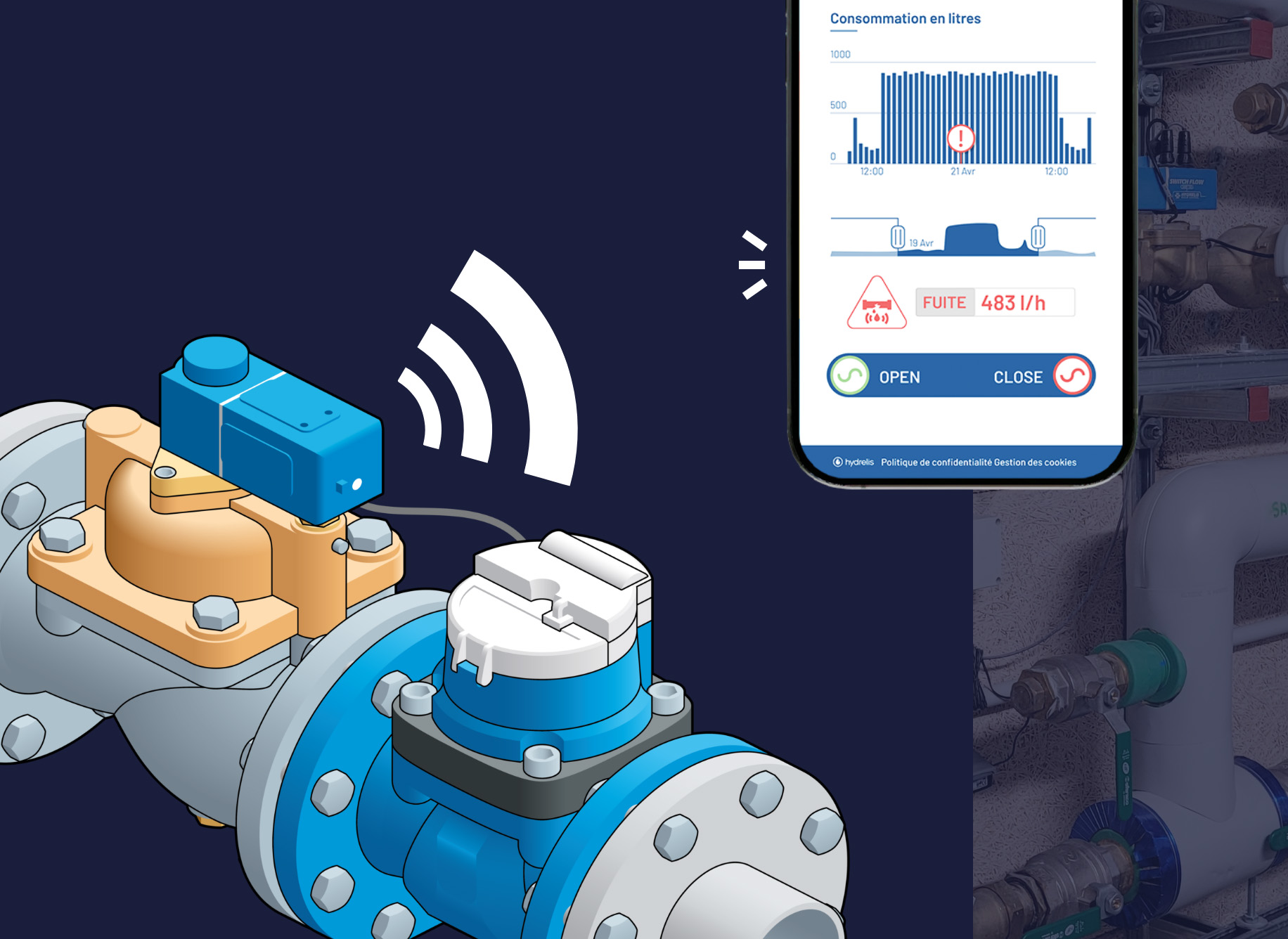
Digital technology On-lineTM switch – patented French technology – turns out to be a solution, efficient, robust and simple to put in place for:
- Identify the escape networks (e.g. sending alerts indicating the network and the size of the leak),
- Action in real time in case of leakage (automatic or remote closure control)
- Undertaking targeted repair of the leaking network.